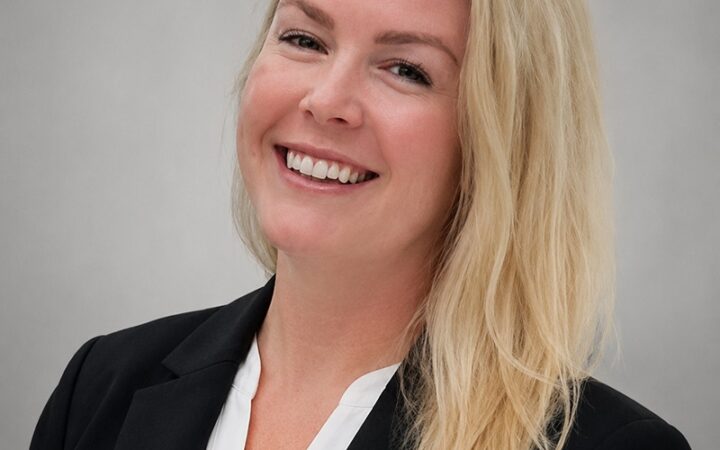

I mistook the number for a typo when I first heard it. Thirty thousand dollars. One year. for a period of six years. from a company that was generating seven figures in revenue by the fourth year. By month eighteen, the majority of founders I’ve sat across from in coffee shops and conference green rooms would have rewarded themselves with a Tesla. Instead, she purchased a used label printer.
For the purposes of this article, her name doesn’t really matter, and she has requested that it not be printed. She operates a specialty packaging business out of a low-key industrial park in the Midwest, where the receptionist is familiar with everyone’s coffee order and the parking lot is mostly made up of pickup trucks. The building has a subtle scent of warm machinery and cardboard. Near the loading dock, there’s a hand-painted sign that was obviously created with too much enthusiasm and a Sharpie. It just says, “Ship it.”

With $14,000 in personal savings and a contract from a local skincare company that needed boxes that no one else wanted to produce in small quantities, she launched the business in 2018. She didn’t pay herself anything for the first eighteen months. She then set her own salary at $30,000 and maintained it there when the cash flow finally permitted it. Not for a year. Not for two. For six. even after $3.2 million in revenue was cleared. even after the business made enough money to finance an expansion without taking on any debt from outside sources.
In 2026, there is a sort of founder mythology that claims you have to appear wealthy in order to become wealthy. The podcast guests in rented Lamborghinis, the LinkedIn philosophers, the Hormozi cohort. She told me that she watched it all with a kind of confused patience. “It looked exhausting,” she remarked. “I’d rather just own the thing.”
What intrigues me is what she did with the money instead. Every dollar of profit that wasn’t strictly required for materials or payroll was either reinvested in the business or placed in an index fund brokerage account, which she described as “boring on purpose.” She currently leases a small commercial space to her own company. a small investment in a rival company’s supplier that proved to be a silent profit. It was not a dramatic compounding. It was simply unrelenting.
An outside firm valued the company at about $7.4 million by the beginning of last year. With a few smaller holdings, the property, and the brokerage account, she easily surpasses the eight million mark. The 2009 Honda is still in her possession. As of this writing, she continues to pay herself $58,000. After a lengthy discussion with her accountant, who she claimed “looked physically pained” by the figure, she finally gave herself a raise.
It’s difficult to ignore how out of style this tale is. She doesn’t have a course to sell, a viral moment, or a Twitter thread dissecting her “framework.” If there are any lessons, they are uncomfortably outdated. Spend less than you make. Invest again. Refrain from trying to achieve success before you have it. It’s all boring. Nevertheless, you get the impression that she has discovered something the more vocal founders haven’t when you watch her move across the warehouse floor in a fleece vest that has obviously seen a few winters. The lifestyle was never the point. The ownership was the key.
It’s reasonable to wonder if her strategy works for everyone. Not every company makes the kind of profits she does, and not every founder has the disposition to stay small for that long. However, there is something subtly radical about someone who achieved true wealth without ever attempting to appear wealthy.