
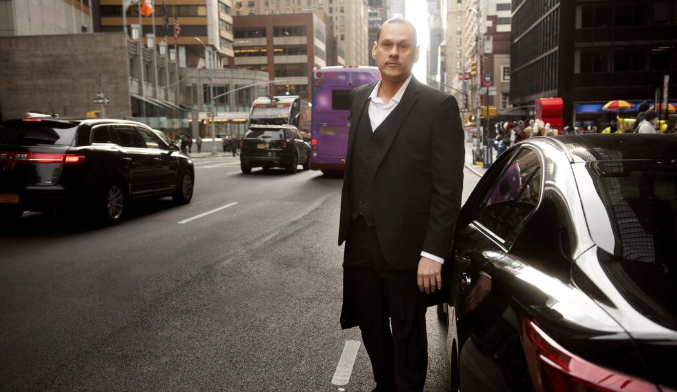

When most people first heard Shawn Carter rap, he was broke and sharp-tongued. He was selling half a champagne brand to LVMH for about $600 million when most people first saw his name in a financial filing. Between those two moments, a whole second career began to take shape, and very few people were aware of it. The part of Jay-Z’s story that feels underreported is that long period of silence during which the music continued to play but the real work was being done offstage.
You are already familiar with the numbers. He is valued at $2.5 billion by Forbes. According to most reliable estimates, music itself accounts for less than 4% of that. The remaining ones are situated in areas unrelated to a recording booth. A French champagne house. a brand of cognac. a sports organization. a streaming service that he used to fully own. Manhattan real estate, including an alleged $90 million apartment complex. Equity in Block, equity in Uber, and a collection of fine art with a lot of Basquiat. It reads more like the holdings of a mid-sized private equity firm with one very well-known partner than a rapper’s portfolio.
The size of the pile isn’t what makes it intriguing. It is the result of patience. Even the most intelligent artists pursue money. Instead, Carter began pursuing ownership at some point in the early 2000s. Observing the timeline gives the impression that he realized before his contemporaries that equity compounds while royalties are sliced thin. An early test was Rocawear. The larger swing was Roc Nation. The deal that made him truly wealthy was Armand de Brignac, the gold-bottled champagne he bought into when it was still primarily a marketing curiosity.
In any other industry, the 2021 LVMH transaction would have prompted lengthy magazine profiles about deal structure. Rather, it was reported as if it were a celebrity story. Moët Hennessy purchased half of Armand de Brignac for about $600 million. Regardless of your opinion of the champagne itself, that is an impressive departure for someone who, on paper, should be in the entertainment industry.
It’s difficult to ignore how infrequently he discusses any of this in detail. When he sits through a lengthy interview with GQ or drops a line in a verse, the framing is nearly always philosophical. possession. wealth across generations. The price of not making a purchase. The term sheets, cap tables, and details are kept confidential. That opacity is most likely intentional. Additionally, it complicates outside valuation. The actual liquid amount is unknown because a large portion of the $2.5 billion is paper, linked to private businesses and illiquid assets.
Critics exist, and they have a valid point. No fortune of this magnitude can be created without someone, somewhere, receiving less than they earned, according to Touré and others. When GQ asked Carter directly if he had ever taken advantage of anyone, he responded negatively. Whichever way labor reporting goes over the next ten years, that response will age.
On its own, though, the architecture of what he constructed is worth examining. He did more than simply diversify. He invested in the labels, alcohol, streaming, and sports representation that were part of the culture he helped create, and he remained in those roles long enough for them to develop. According to a recent Instagram video, most rappers were making money from their music while Carter was covertly purchasing the businesses that produced it.
In some ways, it’s still unclear if that makes him a genius or just someone who paid attention.


Leave a Comment