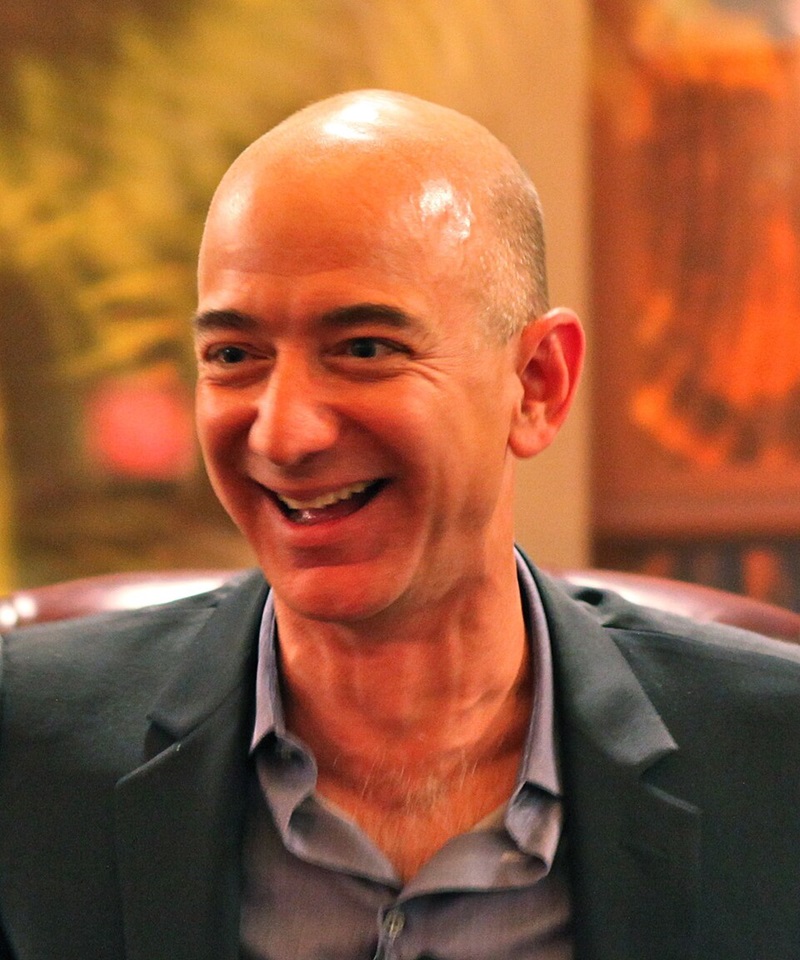
Jeff Bezos is reportedly part of an investor group nearing a major minority investment in Liverpool FC, a deal that could value the Premier League club at about £4.4 billion, or roughly $5.9 billion.
The proposed transaction would not give Bezos control of Liverpool. He is one member of a consortium seeking around 30% to one-third of the club, while current owner Fenway Sports Group is expected to remain in control.
The size of the potential deal immediately raises another question: how much is Bezos himself putting into Liverpool?
For now, that number remains undisclosed. Reports describe the value of the consortium’s proposed stake, but they do not reveal Bezos’s personal contribution or individual ownership percentage.
Quick Facts
| Detail | Current Information |
| Investor | Jeff Bezos, as part of a consortium |
| Reported consortium stake | Around 30% to one-third |
| Reported Liverpool valuation | About £4.4 billion ($5.9 billion) |
| Approximate value of a 30% stake | About £1.32 billion |
| Reported transaction value | Around £1.35 billion |
| Bezos’s personal investment | Not publicly disclosed |
| Current controlling owner | Fenway Sports Group |
| Would FSG remain in control? | Reportedly yes |
| Deal status | Not yet officially confirmed as completed |
What Is Happening With Jeff Bezos and Liverpool?
Reuters reported on August 10, 2026, that Bezos is part of a consortium nearing an investment in Liverpool FC.
The group also reportedly includes Facebook co-founder Eduardo Saverin and is being led by businessman Amit Bhatia, who has previous experience in English football through Queens Park Rangers.
The investors are discussing the purchase of a substantial minority stake in Liverpool rather than a full takeover.
Separate reporting from The Guardian put the prospective transaction at around 30% of Liverpool for approximately £1.35 billion.
That distinction matters.
Bezos is not reported to be buying Liverpool by himself, and there is currently no evidence that he personally intends to own the entire 30% stake.
Instead, the ownership would be divided among members of the investment consortium.
How Much Could the Liverpool Stake Be Worth?
The reported numbers place Liverpool among the world’s most valuable football clubs.
If the club is valued at approximately £4.4 billion, a 30% interest would have a simple proportional value of about £1.32 billion.
A one-third stake would be worth closer to £1.47 billion at the same valuation.
| Ownership Stake | Approximate Value |
| 10% | £440 million |
| 20% | £880 million |
| 30% | £1.32 billion |
| One-third | About £1.47 billion |
| 50% | £2.2 billion |
| 100% | £4.4 billion |
These figures are straightforward valuation calculations rather than confirmed transaction prices.
The reported £1.35 billion figure for approximately 30% of Liverpool fits closely with the wider £4.4 billion club valuation.
The eventual price could still differ depending on the exact percentage sold, financing arrangements and other terms of the agreement.
How Much Is Jeff Bezos Personally Investing?
This is the biggest unanswered financial question.
The reported transaction value applies to the investor group as a whole, not specifically to Bezos.
Current reporting does not disclose:
- how much Bezos is contributing;
- what percentage of the consortium he would own;
- how much Saverin or other investors are contributing;
- or how voting rights would be divided.
That means it would be misleading to say Bezos is personally spending £1.35 billion on Liverpool.
His contribution could be hundreds of millions of pounds, but there is no verified figure yet.
The same caution applies to claims about how much of Liverpool he would personally own.
If a consortium buys 30% of the club, that does not automatically give every member—or Bezos individually—a 30% stake.
What Would the Investment Mean for Jeff Bezos’s Net Worth?
A major sports investment would change the composition of Bezos’s wealth rather than simply reduce it by the purchase price.
If Bezos uses cash or sells other investments to buy part of Liverpool, he is effectively exchanging one asset for another.
For example:
Cash or securities → ownership interest in Liverpool FC
The Liverpool stake would then become part of his broader investment portfolio.
If an investor spends $500 million on an asset worth $500 million, that money has not simply disappeared. The investor now owns an asset that has its own market value.
That value can increase or decrease over time.
For Bezos, movements in his larger holdings—particularly his long-standing exposure to Amazon and other investments—would continue to have a much greater effect on his overall net worth than a minority football investment.
The more interesting long-term question is whether Liverpool’s valuation rises after the investment.
Why Liverpool Could Be Attractive to Billionaire Investors
Liverpool is not simply a football team. It is a global sports business with a large international audience.
The club benefits from several major revenue streams, including:
- Premier League broadcasting income;
- European competition revenue;
- sponsorship agreements;
- merchandise;
- ticket sales;
- hospitality;
- and international commercial partnerships.
Liverpool also has something investors cannot easily create from scratch: history and global recognition.
Only a relatively small number of football clubs combine a huge worldwide supporter base, elite competition, major commercial reach and a stadium with strong matchday demand.
That scarcity helps explain why established European football clubs have attracted increasing interest from private investors, investment funds and wealthy individuals.
Liverpool’s appeal is especially strong because the club competes in the Premier League, where global media exposure and commercial revenues remain significant.
None of that guarantees the investment will appreciate.
Football clubs face substantial costs, particularly player salaries and transfer spending. Missing major European competitions can also reduce revenue, while changes in broadcasting markets, regulation or sporting performance can affect valuations.
A £4.4 billion valuation therefore reflects what investors are reportedly discussing today, not a guaranteed future price.
Who Would Own Liverpool After the Deal?
Fenway Sports Group would reportedly remain Liverpool’s controlling shareholder.
That is an important part of the proposed structure.
The transaction is being discussed as a minority investment, not a sale of the entire club.
If it proceeds as reported, Bezos and his fellow investors would gain exposure to Liverpool without replacing FSG as the controlling owner.
How much influence the consortium would receive is not yet clear.
That would depend on the final agreement, including issues such as:
- board representation;
- voting rights;
- shareholder protections;
- ownership percentages;
- and approval rights over major decisions.
Until those terms become public, it is too early to say how much direct influence Bezos would have over Liverpool’s football or business operations.
Fenway Sports Group’s Liverpool Investment Has Grown Dramatically
FSG acquired Liverpool in October 2010, when the club changed hands in a deal worth around £300 million.
The reported 2026 valuation of approximately £4.4 billion shows how much the club’s financial value has grown since that takeover.
On a simple headline basis, £4.4 billion is more than 14 times the £300 million acquisition figure.
That does not mean FSG has earned a 14-fold cash return.
The ownership group has invested in Liverpool over the years, and a proper investment-return calculation would need to account for capital contributions, financing, ownership changes, dividends and other costs.
Still, the difference between the 2010 purchase price and today’s reported valuation highlights why a minority sale could be financially attractive.
FSG could potentially realize part of the increase in Liverpool’s value while keeping control of the club.
Why Would FSG Sell Only Part of Liverpool?
Selling a minority stake gives an existing owner several options.
It can bring new capital into the ownership structure without forcing a full sale.
It can also allow existing shareholders to unlock some of the value built up over many years.
In Liverpool’s case, that could be particularly significant because the club’s valuation has increased substantially since FSG acquired it.
A minority transaction also means FSG does not have to choose between keeping Liverpool and selling the entire business.
It can potentially do both: retain control while introducing new investors.
What FSG intends to do with any proceeds from the transaction has not been fully established, so it would be premature to assume the money would automatically go toward player transfers, stadium development or another specific project.
Would Jeff Bezos Control Liverpool?
Based on the structure currently being reported, no.
FSG is expected to remain the controlling owner.
Bezos would also be investing alongside other members of the consortium rather than becoming Liverpool’s sole new shareholder.
His influence would depend on his personal stake and the rights negotiated by the investor group.
Those details remain undisclosed.
That means the most accurate description at this stage is that Bezos could become a minority investor in Liverpool, rather than Liverpool’s new owner.
Is Amazon Buying Liverpool?
No.
The reported investment involves Jeff Bezos personally, as part of a consortium.
Bezos founded Amazon and remains closely associated with the company, but his personal investments are separate from Amazon’s corporate activities.
There is currently no indication that Amazon itself is acquiring an ownership stake in Liverpool FC.
That distinction is especially important because a personal Bezos investment does not automatically create an ownership or management relationship between Liverpool and Amazon.
What Happens Next?
The deal still needs to move from reported negotiations to a confirmed transaction.
As of August 11, 2026, reports describe the investor consortium as nearing an agreement rather than announcing a fully completed purchase.
Several important details therefore remain unresolved.
The biggest are:
- the final percentage being sold;
- the final transaction value;
- Bezos’s personal investment amount;
- his individual ownership percentage;
- the consortium’s governance rights;
- and the timing of any formal completion.
If the reported terms hold, the transaction could value Liverpool at around £4.4 billion and give the new investor group roughly 30% to one-third of the club.
For Bezos, it would represent a notable move into ownership of one of the world’s most recognizable sports brands.
But until the transaction is formally confirmed, the clearest description remains simple: Jeff Bezos is part of an investor consortium nearing a large minority investment in Liverpool FC—not someone who has personally bought Liverpool.