

If you’ve come across 111.09.150.182, you may be wondering whether it’s a website, a server, a device, or even a security concern. IP addresses often appear in network logs, firewall alerts, website analytics, or internet troubleshooting, leaving many users unsure of what they actually represent.
The good news is that an IP address by itself doesn’t tell the whole story. Instead, it serves as a unique identifier that allows devices to communicate across networks. Whether you’re an IT professional, website owner, cybersecurity enthusiast, or simply a curious internet user, understanding how an address like 111.09.150.182 works can help you make better decisions about privacy, security, and troubleshooting.
In this guide, we’ll explain what this address may represent, how public IP addresses function, common reasons you might encounter one, and the safest ways to investigate it.
What Is an IP Address?
An Internet Protocol (IP) address is a numerical label assigned to devices connected to a network. Think of it as a mailing address for internet-connected devices. Without IP addresses, computers, smartphones, servers, and websites wouldn’t know where to send or receive information.
Every time you browse a website, send an email, or stream a video, your device communicates using IP addresses behind the scenes.
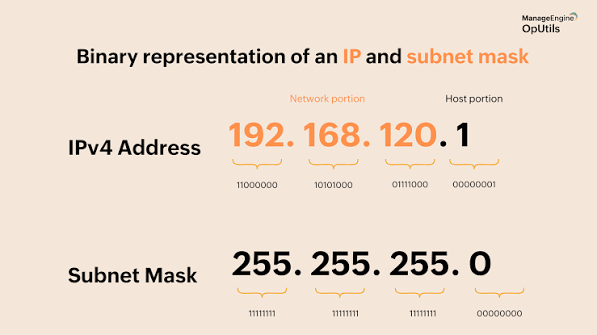
The address 111.09.150.182 follows the IPv4 format, which consists of four numbers separated by periods.
Is 111.09.150.182 a Public or Private IP?
This particular address appears in the IPv4 public address space rather than the private ranges reserved for home or office networks.
That means it could potentially belong to:
- An internet service provider
- A mobile network
- A business server
- A cloud-hosted service
- A customer using a public internet connection
However, ownership can change over time because ISPs regularly reassign addresses to different customers.
Understanding IPv4 Addresses
IPv4 addresses are made up of four octets.
For example:
- 111
- 09
- 150
- 182
Each number ranges from 0 to 255.
Together they create a unique address that enables internet routing between devices located anywhere in the world.
Why Might You See 111.09.150.182?
There are many legitimate reasons why this address could appear.
Some common situations include:
Website Visitor Logs
Website administrators often see visitor IP addresses inside analytics tools or server logs.
This information helps identify:
- Visitor locations
- Traffic patterns
- Suspicious activity
- Bot behavior
Firewall Alerts
Firewalls monitor incoming and outgoing connections.
If an unknown address attempts to communicate with your system, it may appear in firewall notifications.
Network Troubleshooting
IT administrators frequently check IP addresses when diagnosing:
- Slow connections
- Connectivity failures
- Routing issues
- Device conflicts
Security Monitoring
Cybersecurity software records IP addresses involved in:
- Login attempts
- Malware detection
- Unauthorized access
- Brute-force attacks
Seeing an IP address does not automatically mean malicious activity has occurred.
What Information Can an IP Address Reveal?
Many people assume an IP address reveals someone’s exact identity.
In reality, it provides only limited information.
| Information | Usually Available | Usually Not Available |
|---|---|---|
| Country | ✔ | |
| Internet Provider | ✔ | |
| Approximate Region | ✔ | |
| Network Organization | ✔ | |
| Exact Home Address | ✘ | |
| Full Name | ✘ | |
| Phone Number | ✘ | |
| Personal Identity | ✘ |
This limited visibility helps balance internet functionality with user privacy.
Can 111.09.150.182 Be Dangerous?
The address itself is simply a network identifier.
Risk depends entirely on the activity associated with it.
Possible situations include:
- Normal internet browsing
- Business communication
- Search engine crawling
- Remote server access
- Automated software updates
- Security scans
- Suspicious login attempts
Context matters much more than the address alone.
How to Investigate an Unknown IP Address
If you encounter an unfamiliar address, there are several safe ways to learn more.
Perform an IP Lookup
Online lookup tools can identify:
- Country
- ISP
- ASN
- Hosting provider
- General geographic region
Remember that results are approximate rather than exact.
Review Network Logs
Compare timestamps with:
- User activity
- Website visits
- Authentication events
- Firewall records
Patterns often reveal whether the activity is expected.
Check Threat Intelligence Databases
Security professionals frequently compare addresses against databases containing reports of:
- Spam activity
- Botnet participation
- Malware distribution
- Abuse reports
If the address has a clean reputation, it may simply represent an ordinary internet user.
A Practical Case Study: Identifying and Responding to Network Activity
Imagine a small online store notices several failed administrator login attempts overnight. The server logs repeatedly reference 111.09.150.182 alongside timestamps showing multiple password guesses within minutes. Rather than immediately assuming the worst, the site owner reviews firewall logs, enables multi-factor authentication, blocks repeated failed logins, and monitors future traffic. Whether the activity came from an automated scanner or a misconfigured script, the response is based on evidence instead of assumptions.
Best Practices for Staying Secure
Whether you’re managing a website or using a home network, good security habits make a significant difference.
Consider following these practices:
- Use strong passwords
- Enable multi-factor authentication
- Update software regularly
- Monitor access logs
- Keep firewall protection enabled
- Scan devices for malware
- Limit unnecessary remote access
- Review unusual login attempts
Small preventive measures often stop larger problems before they begin.
Why IP Addresses Change
Many users are surprised when an address changes over time.
Several factors contribute:
- Dynamic ISP assignment
- Mobile network switching
- VPN usage
- Business infrastructure updates
- Cloud server migrations
Because of these changes, today’s owner of an IP address may not be the same tomorrow.
My Experience Learning About Network Addresses
When I first began exploring network diagnostics, I assumed every unfamiliar IP indicated suspicious activity. After spending time reviewing server logs and understanding how internet routing works, I realized that most unknown addresses simply represent ordinary users or automated services performing expected tasks.
Common Misconceptions
Several myths continue to circulate regarding public IP addresses.
Every Unknown IP Is a Hacker
Not true.
Many belong to legitimate users, businesses, or automated internet services.
IP Addresses Identify Individuals
They generally identify a network connection rather than a specific person.
Blocking Every Unknown Address Improves Security
Overly aggressive blocking can disrupt legitimate visitors, search engines, or business services.
Balanced monitoring is usually more effective than blanket restrictions.
When Should You Be Concerned?
An unfamiliar IP deserves closer attention if it’s associated with:
- Continuous failed login attempts
- Large volumes of suspicious requests
- Malware alerts
- Data exfiltration attempts
- Unauthorized administrative access
Even then, investigation should rely on multiple indicators rather than the IP address alone.
Also Read: What Is Gugihjoklaz1451? Complete Guide & Meaning
Conclusion
The address 111.09.150.182 is simply an IPv4 public IP that serves as an identifier for internet communication. By itself, it doesn’t reveal personal information or confirm malicious intent. Understanding how IP addresses function helps you interpret server logs, troubleshoot connectivity issues, and strengthen network security without jumping to conclusions.
Whether you’re managing a website, maintaining business infrastructure, or learning about networking, approaching IP analysis with context and evidence leads to better decisions and safer online practices.
FAQs
What is 111.09.150.182?
It is an IPv4 public IP address that may be assigned to an internet-connected device, server, or customer by an internet service provider.
Can I identify the owner of this IP?
You can usually determine the internet provider and approximate location, but not the individual’s identity or exact address.
Is this IP address harmful?
Not necessarily. An IP address is only an identifier. Whether it’s associated with harmful activity depends on the behavior recorded in your logs or security tools.
Why does this address appear in my website logs?
It likely represents a visitor, automated service, search engine bot, or another system interacting with your website.
Can IP addresses change?
Yes. Many internet providers assign dynamic IP addresses that change periodically, especially for residential and mobile connections.
Should I block this IP?
Only if you have clear evidence of malicious or abusive behavior. Blocking addresses without sufficient reason can unintentionally prevent legitimate users from accessing your services.








Leave a Comment