
The news that a 22-year-old is worth $2.2 billion is subtly confusing. It’s more like the feeling you get when a child wins at chess than it is jealous. You’re impressed. Additionally, you’re not quite sure how to comprehend what just transpired.
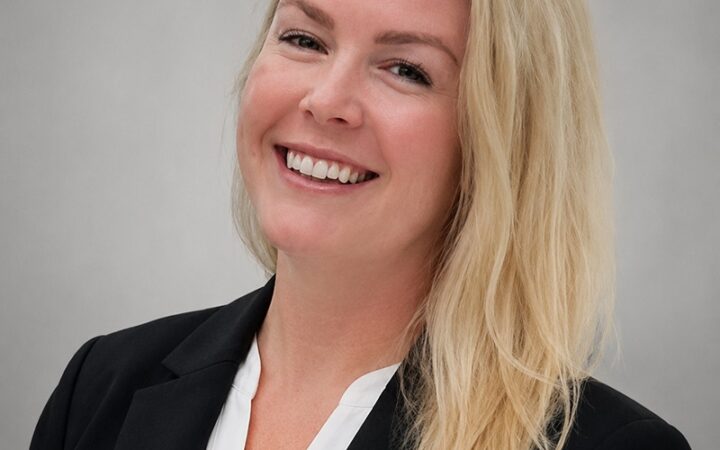
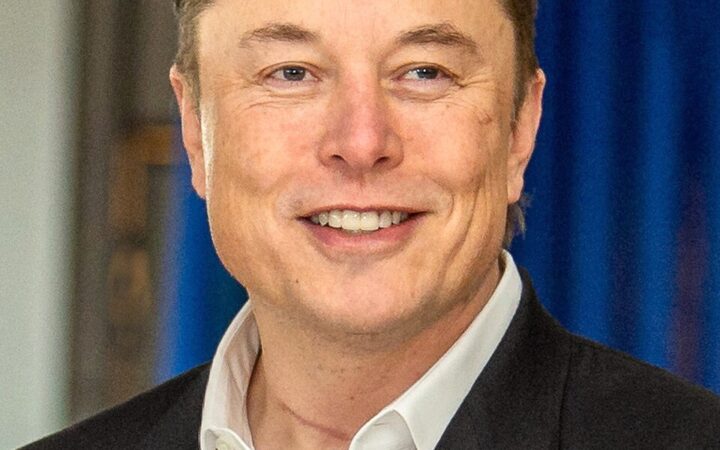
The three co-founders of the AI recruiting company Mercor, Surya Midha, Brendan Foody, and Adarsh Hiremath, are the youngest self-made billionaires listed on Forbes’ 2026 World’s Billionaires list. They are all 22 years old. At some point, the market determined that their company’s use of AI to automate the process of identifying and screening talent was worth more than $2 billion per founder. It seems reasonable that Foody described the entire situation as “surreal.” It’s bizarre.

The trajectory, not just the number, is what makes their story compelling. As Thiel Fellows, Midha, Foody, and Hiremath received funding from Peter Thiel’s foundation in exchange for skipping or quitting college. Many parents are still extremely uneasy about that wager. And yet, here we are. They have now surpassed Mark Zuckerberg’s 23-year-old debut on the list of billionaires. Whether they like it or not, that comparison will follow them for years.
Forbes set a record this year with 35 billionaires under 30. Together, their wealth exceeds $90 billion. Twelve of them are self-made, which is also a record. The remainder were inherited, and it is important to state clearly that generational wealth is still a very effective machine. Twenty-year-old Amelie Voigt Trejes owns stock in WEG, the massive Brazilian company her grandfather assisted in founding in 1961. She is currently the list’s youngest billionaire. The business was not founded by her. She didn’t have to. The business was waiting there already.
This year, Luana Lopes Lara, a 29-year-old former professional ballerina who graduated from MIT and co-founded Kalshi, a prediction markets platform, became the youngest self-made woman billionaire. That biography seems made up, but it doesn’t seem to be. Lucy Guo of Scale AI, who had briefly held the title after Taylor Swift lost it, was overthrown by her. For a brief period, Taylor Swift was the youngest woman to become a billionaire on her own. 2024 was an odd year.
It’s difficult to ignore the AI theme that permeates almost all of these tales. Lovable, a Swedish AI coding startup, was co-founded by 26-year-old Fabian Hedin. The 25-year-olds Michael Truell and Aman Sanger created Cursor, a tool that uses AI to help developers write code more quickly. These are not research projects that are abstract. These are goods that consumers are actually using, businesses that are making actual money, and investors who are placing huge bets on the products’ continued expansion. It’s still genuinely unclear if that growth will continue. AI valuations have been rising for some time, and it’s plausible that some of these successes are based more on funding rounds than on actual profits.
Even so, it’s difficult to ignore the change taking place here. Building something new rather than climbing something old appears to be the quickest route to stability for a generation that grew up witnessing the failure of older institutions, such as banks, media companies, and traditional career ladders. A cohort that would have seemed unthinkable even ten years ago has been created by this instinct, the timing of AI’s explosion, and access to international capital markets.
That story is still being written, regardless of whether they maintain these fortunes, create something greater, or completely burn out. The majority of them are too young to rent a car for free.